

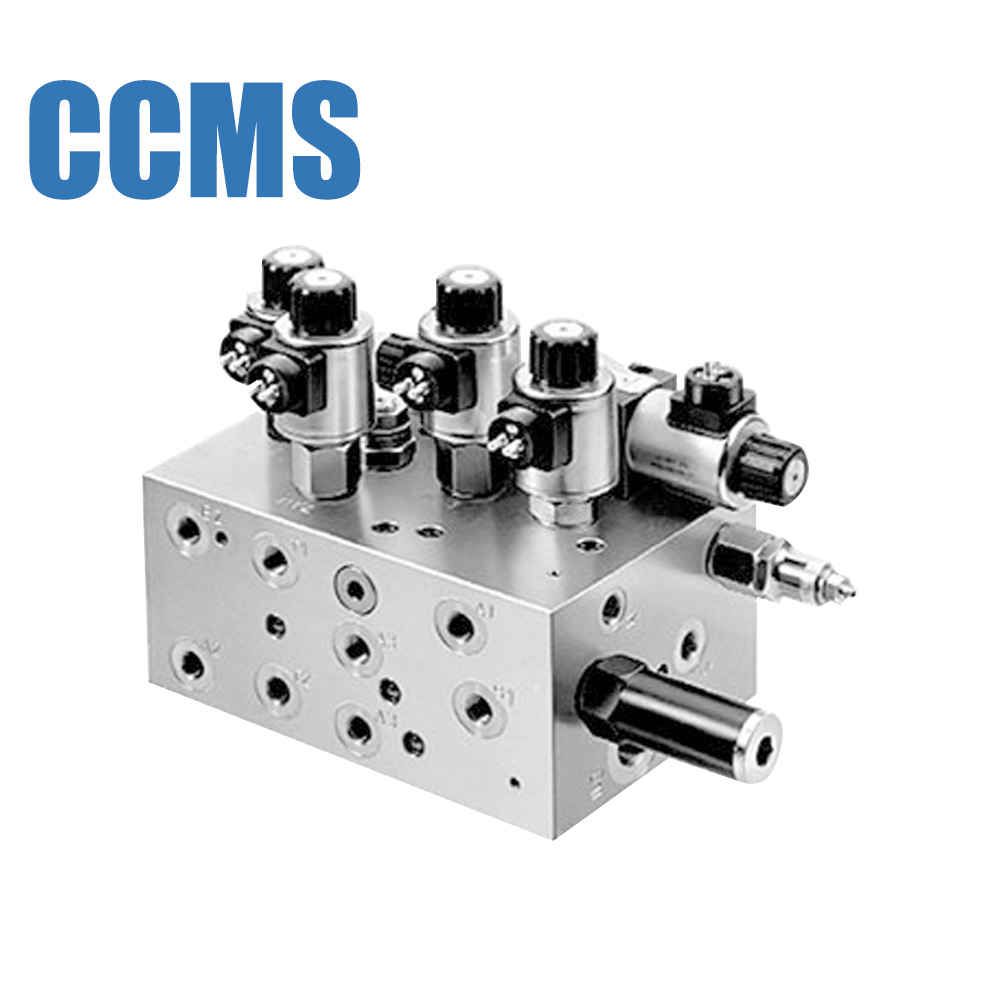
Hydraulic valves are essential components in hydraulic systems, playing a crucial role in controlling the flow and pressure of fluids. This article aims to provide an in-depth understanding of hydraulic valves, including their advantages, disadvantages, and production processes.
1. Advantages of Hydraulic Valves:
1.1. Precise Control: Hydraulic valves offer precise and accurate control over fluid flow and pressure, allowing for smooth and efficient operation of hydraulic systems.
1.2. High Power Density: Hydraulic systems can generate high forces and torques in compact sizes, making them suitable for applications requiring high power density.
1.3. Versatility: Hydraulic valves can be designed to accommodate a wide range of operating conditions, including high temperatures, corrosive environments, and extreme pressures.
1.4. Safety: Hydraulic valves are designed with built-in safety features, such as pressure relief valves, to prevent system overloads and protect against potential damage or accidents.
1.5. Durability: Hydraulic valves are known for their robust construction and long service life, even in demanding industrial applications.
2. Disadvantages of Hydraulic Valves:
2.1. Complexity: Hydraulic systems, including their valves, can be complex and require expertise for installation, maintenance, and troubleshooting.
2.2. Potential Leakage: The use of seals and gaskets in hydraulic valves can result in potential leakage issues, which may require regular maintenance and replacement.
2.3. Cost: Hydraulic valves, especially those designed for high-pressure applications, can be relatively expensive compared to other types of valves.
2.4. Environmental Impact: Hydraulic systems, if not properly maintained, can lead to fluid leaks, which can have an adverse environmental impact.
3. Types of Hydraulic Valves:
3.1. Directional Control Valves: These valves control the direction of fluid flow in a hydraulic system, allowing for precise control over the movement of actuators.
3.2. Pressure Control Valves: These valves regulate the pressure within a hydraulic system, ensuring safe and efficient operation.
3.3. Flow Control Valves: These valves control the flow rate of fluid within a hydraulic system, enabling precise control over the speed and force of actuators.
3.4. Check Valves: These valves allow fluid to flow in one direction while preventing backflow, ensuring system integrity and preventing damage to components.
4. Production of Hydraulic Valves:
4.1. Design and Engineering: The production of hydraulic valves starts with the design and engineering phase, where specifications, materials, and performance requirements are determined.
4.2. Material Selection: Depending on the application and operating conditions, hydraulic valves can be made from various materials, including steel, aluminum, and brass.
4.3. Machining: The valve bodies and components are machined using CNC (Computer Numerical Control) machines to ensure precise dimensions and tolerances.
4.4. Assembly: The machined components are then assembled, including the installation of seals, gaskets, and other necessary parts.
4.5. Testing and Quality Control: Each hydraulic valve undergoes rigorous testing to ensure proper functionality, leakage prevention, and adherence to performance specifications.
4.6. Packaging and Distribution: Once the valves pass the quality control tests, they are packaged and distributed to customers or integrated into larger hydraulic systems.
Conclusion:
Hydraulic valves play a critical role in the efficient and precise operation of hydraulic systems. Despite their complexity and potential disadvantages, their advantages, such as precise control, high power density, and versatility, make them a preferred choice in various industries. The production of hydraulic valves involves careful design, engineering, machining, assembly, and testing to ensure optimal performance and durability.